

What Every Homeowner Should Know About Sump Pump Maintenance and Flood Prevention
Heavy rains and sudden storm runoff can send water rushing toward your home faster than expected. For properties across Southern New Hampshire and Northern Massachusetts, basement dampness or flooding can quickly lead to costly damage and stress. Your basement sump pump is your primary line of defense against rising groundwater, acting as an automated sentry to keep your lower living spaces dry. Taking a proactive approach to routine maintenance gives you complete confidence that your protective system will operate reliably when severe weather arrives.
If heavy rain is forecasted or you notice water pooling around your pit, do not wait for a flood to occur. Take action today by clicking the "Request A Service" button or calling (833) 633-5440 to ensure your home stays fully protected.
Understanding How Your Sump Pump Protects Your Home
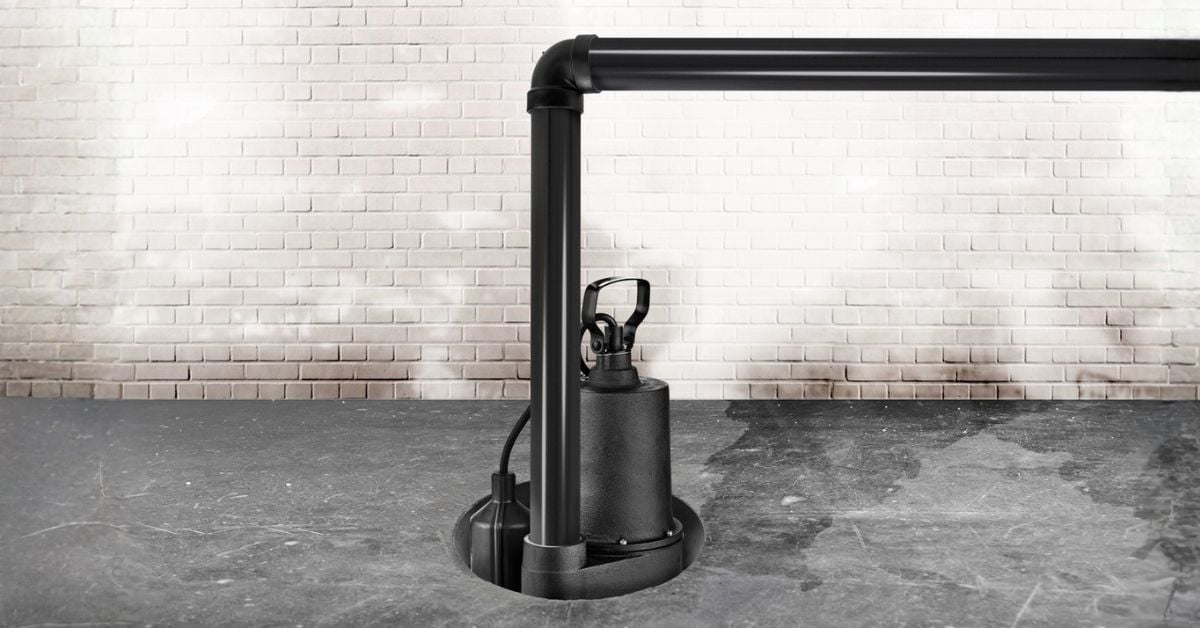
A sump pump system is designed to collect excess groundwater before it can seep into your living space. Water collects in a specialized basin called a sump pit, installed at the lowest point of your basement floor. When groundwater levels rise, water flows into the pit through perimeter drain tiles or weeping tiles.
Inside the pit sits the pump itself, equipped with a float switch that measures the water level. As the pit fills, the float rises like a buoy in a tank. Once it reaches a designated height, the float triggers the pump switch, activating the motor to push water up and out of your home. To keep this system running smoothly, scheduling regular plumbing maintenance helps identify small issues before they become major flood risks.
Understanding this cycle helps you spot minor irregularities early:
- The pit collects runoff from rain, melting snow, or high groundwater.
- The float switch rises as water enters the basin.
- The motor turns on automatically to lift water out of the basin.
- Water travels through a discharge pipe away from your foundation.
Inspecting and Testing the Check Valve
The check valve is a small but critical component installed in the discharge pipe just above the pump. Its primary function is to act as a one-way door for moving water. When the pump runs, water pushes the valve open and flows out. As soon as the pump shuts off, gravity pulls the remaining water back down, which snaps the valve closed.
Without a working check valve, water in the vertical pipe flows back into the pit every time the pump stops. This causes the pit to fill up immediately, forcing the pump to turn on and off continuously. This short-cycling wears out the motor quickly and wastes electricity. If you hear loud banging noises when the pump turns off, your valve may need attention or replacement.
Here is how to check your check valve during routine inspections:
- Listen for a clear click or smooth shutoff sound when the pump cycle finishes.
- Inspect the arrow printed on the outside of the valve body to ensure it points upward in the direction of water flow.
- Look around the valve fittings for signs of water droplets, cracks, or loose hose clamps.
- Confirm that water is not flowing back into the pit immediately after the pump turns off.
Cleaning the Sump Pit and Screen
Over time, dirt, gravel, lint, and small debris settle into the bottom of your sump pit. Because water naturally washes sediment into the basin, this debris creates a thick sludge layer at the bottom. If left uncleaned, this buildup can be sucked into the pump intake screen, clogging the impeller and burning out the motor.
Cleaning the pit once or twice a year keeps the pathway clear for fast water evacuation. Unplug the pump before reaching into the pit, and lift the unit out carefully if it is portable. Scrub the base of the basin, wipe down the float switch mechanism, and clear any visible debris from the inlet screen at the bottom of the pump casing. For system upgrades or thorough cleanings, consulting expert pump service professionals ensures your equipment remains in peak condition.
Follow these steps for a clean and efficient pump pit:
- Disconnect the main power plug to prevent the pump from starting while you work.
- Remove large debris, small stones, and accumulated sludge from the bottom of the pit.
- Rinse the pump inlet screen with clean water to remove stuck dirt and buildup.
- Pour a bucket of clean water into the pit to test the float and ensure smooth activation.
Installing and Testing a Battery Backup System
Severe thunderstorms, high winds, and heavy winter storms frequently bring power outages right when your sump pump is needed most. A standard primary pump runs on household electricity, meaning it stops working the moment the power goes out. Installing a dedicated battery backup pump system provides uninterrupted protection during severe weather outages.
A battery backup system includes a secondary pump mounted slightly higher in the pit, connected to a specialized marine-grade battery and smart charger. If the primary power fails or the primary pump fails mechanically, the backup system automatically takes over. Testing this battery regularly ensures it holds a full charge when storm season arrives. If your primary unit suffers a breakdown during heavy runoff, reaching out for rapid sump pump repair prevents water from accumulating in your home
Key reasons to equip your home with a battery backup include:
- Continuous flood prevention during neighborhood power outages and grid failures.
- Extra pumping capacity during torrential rain when water enters faster than one pump can handle.
- Audible alarm warnings that alert you if the primary pump fails or if power is cut.
- Peace of mind when traveling away from home during storm forecasts.
Clearing and Protecting the Discharge Line
A fully operational pump cannot protect your home if the water has nowhere to go. The discharge line is the exterior pipe that carries water out of your basement and away from your foundation wall. If this pipe becomes clogged with leaves, soil, or winter ice, water backs up directly into your pit and spills into your basement.
Check the exterior discharge point regularly to clear away grass clippings, mulch, and garden debris. The pipe should extend at least ten feet away from your foundation to prevent pumped water from sinking into the ground and recirculating right back into your pit. In cold winter climates, installing a freeze-resistant discharge fitting prevents ice blockages from trapping water inside the line.
Keep your discharge line flowing freely with these simple checks:
- Inspect the outdoor exit pipe for leaves, animal nests, or dirt buildup.
- Ensure the discharge slope directs water downhill and away from foundation walls.
- Install a vented freeze-guard fitting outdoors to allow water to escape if the main pipe freezes.
- Verify that splash blocks or downspout extensions guide water toward proper drainage areas.
When to Consider Professional Pump Replacement
Even well-maintained equipment has a natural operational lifespan. Most primary sump pumps function reliably for seven to ten years before critical components wear down. Operating an aging pump risks unexpected mechanical failure during heavy water flows. Modern high-efficiency models offer quieter operation, lower energy draw, and integrated smart alerts.
If your current unit is approaching its end of life, wobbles violently during operation, or struggles to handle moderate rainfall, upgrading before the next big storm is a wise investment. Professional sump pump installation guarantees correct sizing, proper check valve placement, and full code compliance for lasting peace of mind.
Watch for these signs that your system needs professional evaluation:
- The pump runs continuously even when there is no visible water in the pit.
- Excessive vibration or loud grinding sounds occur during pumping cycles.
- The unit is more than seven years old and shows visible rust or corrosion.
- The circuit breaker trips repeatedly whenever the pump motor engages.
Maintaining a dry, healthy basement starts with proactive care and reliable equipment. From routine check valve inspections to battery backup installations and full system upgrades, keeping your flood defense system ready provides essential security for your home and family.
If you want expert help evaluating your basement pump, contact Cornerstone Services today at (833) 633-5440 to schedule a professional inspection and safeguard your home against seasonal storms.