

How to Get Your HVAC System Ready for Heating Season
As cooler autumn nights approach across Southern New Hampshire and Northern Massachusetts, ensuring your home stays warm, safe, and comfortable becomes a top priority. When the first crisp autumn evening arrives, you want your heating system to turn on smoothly without any unexpected surprises. Taking a few proactive steps to prepare your heating equipment before the cold weather settles in helps keep your home warm, protects your system from avoidable wear, and keeps your energy bills under control.
Before the cold weather arrives, take action to ensure your family stays warm and comfortable. Don't wait for the first freezing night—reach out today by clicking the "Request A Service" button or calling (833) 633-5440 to schedule your early-season service.
Swap Out Your Air Filters for Fresh Air Flow
One of the simplest ways to care for your heating equipment is to change the air filter regularly. The air filter acts as a shield, trapping dust, pet hair, and airborne pollen before it can enter your equipment. Over the summer months, these filters often accumulate dirt and debris, restricting the amount of air your system can pull in.
When an air filter is clogged, your system must work much harder to push warm air through your home. This extra strain forces the blower motor to run longer, raising energy costs and increasing wear on internal components. Replacing your filter before turning on the heat ensures clean airflow, protects equipment efficiency, and supports healthy indoor air quality throughout your living space.
Follow these practical steps to care for your air filter:
- Check your filter thickness and dimensions printed along the side frame before buying a replacement.
- Inspect disposable filters monthly and replace them every 30 to 90 days based on household needs.
- Insert the new filter with the airflow directional arrows pointing toward the blower motor casing.
- Keep a spare filter nearby so you can make quick replacements during peak heating months.
Test and Adjust Your Thermostat Settings
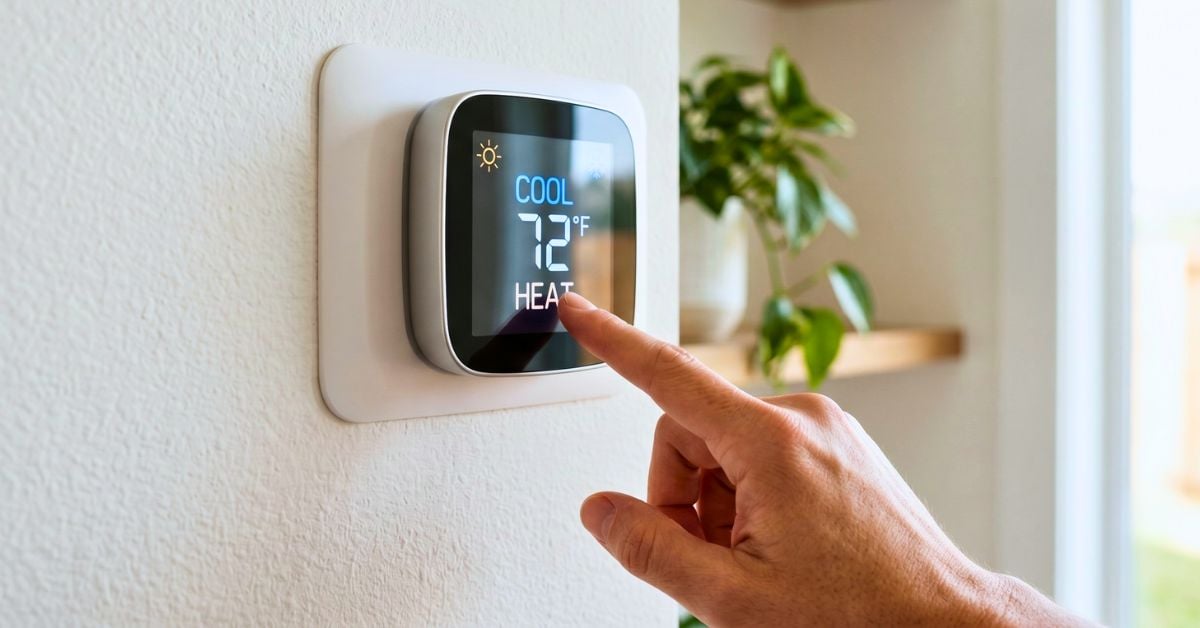
Your thermostat serves as the central control for your home comfort. Before the cold weather arrives, take time to check that your thermostat communicates properly with your heating unit. Testing settings early helps you identify battery issues or system delays before you need constant heat.
If you use a programmable or smart thermostat, switch your settings from cooling to heating. Recalibrating sensor settings and setting lower temperatures during work hours or bedtime helps lower heating costs without sacrificing comfort. If your temperature readings feel inaccurate or your system turns on and off too quickly, professional thermostat recalibration ensures your controls read room temperatures accurately.
Keep these smart thermostat testing habits in mind:
- Switch the system settings from cooling to heating mode and set the target temperature to 3 degrees above the current room temperature.
- Replace standard AA or AAA alkaline batteries in non-hardwired thermostat models once per year.
- Set custom heating schedules to automatically lower the temperature when your home is empty or when family members are sleeping.
- Verify that indoor temperature sensors sit away from direct sunlight, drafts, and heat-producing lamps.
Clear Around Vents, Registers, and Outdoor Units
For warm air to distribute evenly throughout every room, your supply vents and return air registers must stay clear. Over the summer, furniture, rugs, or household storage items may have been moved over floor registers or in front of wall vents. Blocked vents restrict circulation, creating cold spots in your home and causing pressure imbalances within your ductwork.
If you rely on a heat pump system, pay close attention to your outdoor condenser unit as well. Leaves, falling branches, weeds, and overgrown shrubs around the outdoor casing restrict essential airflow. Clearing a generous boundary around the outdoor cabinet allows the heat exchanger to draw in outside heat efficiently.
Ensure proper air circulation by following these guidelines:
- Walk through every room to confirm supply vents and return grilles remain wide open and unobstructed.
- Move heavy furniture, curtains, and area rugs at least 2 feet away from warm-air vents.
- Clear dead leaves, grass clippings, weeds, and garden debris away from the outdoor heat pump cabinet.
- Maintain a two-foot clearance perimeter around all sides of your outdoor unit year-round.
Inspect and Clean Your Home Ductwork
Your ductwork network serves as the highway system for warm air in your home. Over time, dust, pet dander, and environmental debris collect inside supply lines. When your heating blower turns on, these particles can circulate into living areas, affecting your family's breathing environment.
Beyond cleanliness, air leaks in ductwork allow valuable warm air to escape into unheated spaces such as attics, basements, or crawl spaces. Loose joints, unsealed seams, and cracked flex ducts reduce total system efficiency and force your unit to run longer cycles to reach your desired thermostat setting.
Watch for these indicators that your air ducts require attention:
- Visible dust clouds escaping from supply vents when the heating blower turns on.
- Uneven temperature drops or lingering cold spots in rooms located farthest from the central unit.
- Unexpected spikes in monthly heating expenses without changes in overall thermostat usage.
- Rattling or whistling sounds coming from duct joints inside unfinished basement areas.
Inspect Furnace Components and Flue Pipes
If your home relies on a central gas or oil system, taking time to check visible components provides peace of mind. Fuel-burning equipment requires proper ventilation to release combustion gases safely outside your property. Inspecting vent pipes and combustion chambers early helps ensure safe operational conditions.
Check visible flue pipes for signs of rust, corrosion, loose connections, or sagging joints. Ensure that exterior exhaust caps remain free of bird nests, leaves, and storm debris. If you notice strange odors, soot buildup around the cabinet door, or unusual rumbling sounds, contact an expert for a comprehensive furnace inspection and service before running your unit regularly.
Check these key safety points before running fuel-burning equipment:
- Test every smoke alarm and carbon monoxide detector in your home, replacing batteries as needed.
- Verify that the floor area around your heating unit remains clear of flammable items, paint cans, and boxes.
- Confirm that combustion air intake pipes leading outside remain clear of garden debris.
- Schedule a professional safety check if you detect unusual odors or burner noises.
Schedule Professional Annual Maintenance
While homeowner checks are helpful, scheduling an annual tune-up with qualified technicians remains essential for system reliability. Professional care covers technical adjustments, electrical testing, and safety checks that require specialized tools and training. Routine service helps catch minor wear before it leads to unexpected mid-winter breakdowns.
During a professional tune-up, technicians clean burner assemblies, test heat exchangers for hair cracks, inspect electrical connections, verify refrigerant levels in heat pumps, and calibrate safety switches. Comprehensive maintenance optimizes fuel efficiency, extends equipment lifespan, and preserves your heating system's manufacturer warranties. Investing in an annual heating maintenance service helps keep your system running smoothly through the coldest months.
A professional maintenance appointment includes key technical checks:
- Inspecting heat exchangers for microscopic cracks, corrosion, or structural wear.
- Testing electrical wiring connections, amp draws, capacitors, and safety limit controls.
- Lubricating moving blower motor bearings and checking fan belt tension.
- Measuring fuel pressure, burner ignition performance, and combustion exhaust safety.
Preparing your heating equipment before winter cold arrives protects your home comfort, lowers operating costs, and keeps your system performing reliably. Simple tasks like replacing air filters, testing thermostats, and clearing vents go a long way toward smooth operation. Pairing these DIY habits with annual professional maintenance ensures your family stays warm and cozy all winter long.
If you want support preparing your equipment for cooler weather, contact Cornerstone Services today at (833) 633-5440 to schedule your comprehensive tune-up.